
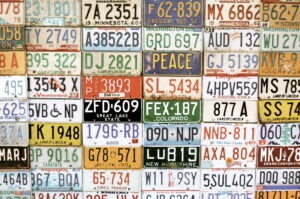
What do cops see when they run your license plates? Cops see your vehicle registration info, the owner, any warrants associated with the owner, and more when they run your license plates.
If you’ve been charged with a crime after the police ran your plates, reach out to an Okemos criminal defense lawyer for help with your case.
Information Cops Get When They Run Your Plates
When a police officer runs your license plate, they receive a range of information about you and your vehicle. The main information provided is your license plate number, which allows them to access the vehicle’s registration details and owner information.
They also have access to criminal databases, allowing them to check if the vehicle is stolen or the owner has a criminal record. They can also find out if the driver has any outstanding warrants or if the vehicle is associated with any recent crimes.
The information obtained from a license plate check can be critical in helping law enforcement officers catch criminals and keep the public safe. However, it is important to remember that not all license plate checks are carried out with malicious intent. Routine checks can be conducted to ensure that the driver and vehicle are complying with the law and to prevent potential violations.
Regardless of the purpose of the check, it is crucial for drivers to always follow traffic laws and ensure that their vehicles are properly registered and maintained to avoid any unwanted consequences.

Your Fight Is Our Fight
What License Plate Scanning Is
License plate scanning is the use of cameras and other technology to read license plates on vehicles. Law enforcement officers use these systems to run checks on vehicles and their drivers.
The technology used in license plate scanning has advanced significantly over the years. Police officers used to have to manually enter license plate numbers into a computer to run a check. Now, license plate scanning systems can automatically read plates from a distance, even while the car is moving.
These scanning systems use optical character recognition (OCR) technology to capture and interpret the letters and numbers on license plates. The system then runs the information through various databases to find any relevant information.
Increasing Prevalence
License plate scanning is becoming more prevalent in law enforcement, with many police cars now equipped with these systems. While it may seem invasive, it can effectively locate stolen vehicles, identify suspects, and enforce traffic laws.
The Purpose of Running Plates
The main purpose of running license plates is to gather information about the vehicle’s registered owner and ensure that the vehicle is not stolen, uninsured, or involved in any criminal activity. It also helps police officers identify any outstanding warrants or citations for the owner or other individuals associated with the vehicle.
In addition to identifying the owner, license plate scanning is used to monitor traffic, detect violations, and provide valuable information to law enforcement agencies to help solve crimes. This includes:
- Gathering data on the whereabouts of suspects
- Suspect vehicles
- Known associates with the suspect
License plate scanning is an effective tool in law enforcement, but it also has its limitations. Police officers cannot access private information, such as personal or financial data, from license plate scanning. The use of license plate scanning technology is regulated to ensure it is not used to invade individuals’ privacy without reasonable suspicion of wrongdoing.
We understand that you may be going through a difficult situation and we are ready to help however we can.
Common Reasons for License Plate Checks
There are a variety of reasons why cops might run your license plate. One of the most common is to check if the vehicle has been stolen. When a car is reported stolen, its license plate information is entered into a national database accessible to law enforcement.
This means that when cops run a license plate check, they can quickly determine if the vehicle they are looking at has been reported as stolen.
Another reason why cops might run a license plate check is to see if the vehicle is associated with any outstanding warrants or unpaid fines. These checks are often automated and can alert law enforcement officers if a vehicle is flagged in their system. This can help them identify drivers with unresolved legal issues.
Finally, license plate checks are often used when a car has been involved in a hit-and-run or another crime. By checking the license plate information, cops can quickly identify the vehicle’s owner and gather important evidence that may be used in a criminal investigation. Learn more in our FAQs.
You will always work directly with your attorney throughout your case.
What to Do If You Are Pulled Over
In situations where a police officer pulls you over, and you suspect they were scanning your license plate, it is essential to comply with their request. Even if you think you did nothing wrong or have nothing to hide, there are several important steps to remember that may protect you from legal concerns.
When possible, follow these tips:
- Never lie to the police. There is nothing good that can come from it. If they ask a question that you want to answer, simply answer with accuracy or say you do not know.
- Know your rights. If you do not want to speak to the police, tell them that. Ask to speak to your attorney. Police may try to get you to admit something you did not do. If you tell them that you want to talk to your attorney, the questioning has to stop, and you have the right to work with your attorney from that point forward.
- Do not resist arrest. If you take any actions that may be construed as resisting, you can expect the police or prosecutor to use that information against you. Instead, simply follow what the police say to protect yourself.
- Do not offer up any information they do not provide. If the police officer wants to know if the vehicle is yours, they will ask. Do not assume you know why they stopped you, nor any details about who is at fault.
If the police pull you over, always act calmly and follow the directions the police provide. This can help improve your chances of remaining on the good side of the law. Know that these cases can be challenging, but having an attorney by your side to explain your rights is always critical.
What Is the Automated License Plate Reader?
You may notice an automated license plate reader or ALPR, located within your community. These are automated systems that will log your license plate details to capture critical information. This type of strategy can help police identify those wanted by law enforcement faster and with far greater efficiency.
When the ALPR runs a license plate, it provides the user with information about the registered owner, including the owner’s name, address, and birthday. It will also include their driver’s license status, which can be critical later if their license is revoked or suspended. The scan will also provide information about the registered vehicle’s make and model.
These may not seem like significant details, but they can provide critical facts police can later use to decide who to charge and who not to. These automated systems are very reliable, but that makes your job a bit more challenging if you want to prove they are inaccurate or misleading. By working with our legal team, we can help you collect real data, verify its accuracy against location-specific factors, and collaborate on witness statements.
Understand What Cops See When They Run Your License Plates
License plate scanning has become an essential tool for law enforcement agencies. The technology has revolutionized how police officers check for information on a vehicle and its driver. Overall, license plate scanning is a vital tool that helps keep our roads and communities safe.
By complying with traffic laws, keeping their vehicle registration up to date, and resolving legal issues, drivers can avoid unnecessary trouble and keep themselves and their community safe. Contact White Law PLLC for more information.
We’re Experienced. We Care.
We Exceed Client Expectations.